
- Telephone | 01764 654703
- Email | mam@mamcontracting.co.uk
Groundworks Checklist for New Builds (Step-by-Step Guide)
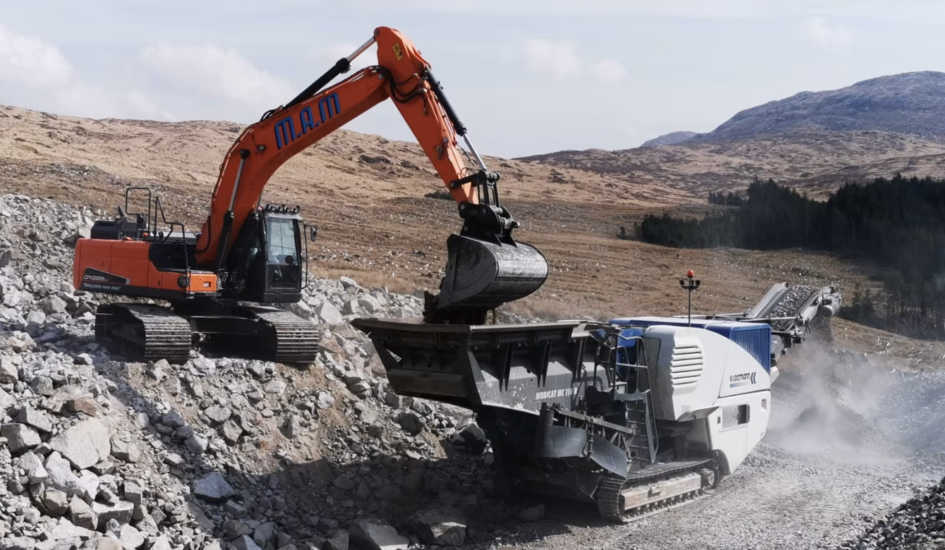
Groundwork is one of the most important stages in any new build project. It prepares the site so that construction can begin on stable, properly managed ground. Without a clear process, it is easy to miss small but critical steps. These often lead to delays, added costs, or problems that only show up later in the build.
A structured groundwork checklist helps ensure each stage is completed properly and in the right order. It also gives homeowners and developers a clearer understanding of what should be happening on site before construction starts. This guide breaks down the key stages involved in new build groundworks, with practical insight into what each step involves and why it matters.
Groundwork Stages in Construction: How the Process Actually Flows
Groundwork is not a single phase. It is a sequence of stages that build on each other. While different projects vary in scale, most follow a similar structure:
- Site assessment and planning
- Site clearance and preparation
- Excavation and ground shaping
- Drainage and service installation
- Foundation preparation and pouring
The important thing to understand is that these stages are connected. For example, drainage is often installed before final ground levels are completed. If that order is reversed, it usually means digging back into finished work later. That leads to delays and unnecessary cost. This is why groundwork is less about individual tasks and more about how each stage is coordinated.
Step-by-Step Groundwork Checklist for New Builds
1. Site Assesment and Planning
Every project starts with understanding the site. This stage looks simple on paper, but it has a direct impact on how everything else is carried out. Ground conditions, access, and existing features all influence how groundwork should be approached. For example, soft or uneven ground may require adjustments to excavation depth or foundation design.
Access is another factor that is often underestimated. If machinery cannot move easily on site, it slows down excavation and material handling. This can extend timelines even before construction properly begins. At this stage, experienced groundwork contractors will usually identify potential issues early and adjust the plan before work starts. This avoids reactive decisions later.
2. Site Clearance and Preparation
Once the site has been assessed, it needs to be cleared and made ready for work. This includes removing vegetation, debris, and any existing structures that could interfere with construction. While this may seem straightforward, poor clearance can affect later stages. Hidden obstructions or leftover materials can slow down excavation and create safety risks.
Preparation also includes setting up the site for efficient work. This might involve defining access routes, allocating space for materials, and ensuring the site is safe for equipment and workers. A well-prepared site allows the rest of the groundwork to move forward without unnecessary interruptions.
3. Setting Out the Build Area
Setting out is where plans are transferred onto the ground. It defines exactly where foundations, walls, and key features will be positioned. Accuracy at this stage is critical because everything that follows depends on it. Even small errors in measurement can lead to alignment issues later on. These are difficult to correct once foundations are in place. This stage also confirms levels across the site. Ensuring that heights and slopes match the design helps prevent drainage issues and uneven surfaces later in the build.
4. Excavation and Ground Preparation
Excavation is where the physical work begins to take shape. This stage involves digging foundation trenches, adjusting ground levels, and removing unsuitable soil. The goal is to create a stable and level base that can support the structure. In practice, this stage often reveals conditions that were not fully visible during assessment. For example, the soil may be softer than expected, or there may be debris below the surface. When this happens, adjustments need to be made. This is why flexibility during groundwork is important, but it should still be managed in a controlled way to avoid delays.
5. Drainage Installation
Drainage is one of the most important parts of any new build groundworks project. It ensures water is directed away from the structure, preventing build-up around foundations. This includes both surface water drainage and foul drainage systems. What matters here is not just installation, but placement. Drainage needs to be positioned correctly based on site levels so that water flows naturally away from the building. Poor drainage planning is one of the most common causes of long-term issues. In many cases, problems only appear months or years later, when water begins to affect the ground around the structure.
6. Installing Underground Services
Services such as water, electricity, and cabling are installed during groundwork. This is done before final surfaces are completed to avoid reopening the ground later. Coordination is important at this stage. Services should be planned alongside drainage and foundation work so everything fits within the same layout. For example, installing systems like Piping & Cabling at the same time as drainage reduces duplication and keeps the process efficient. If services are added later without proper planning, it often leads to disruption and additional work.
7. Foundation Preparation Steps
Once the ground has been shaped and services installed, the site is prepared for foundations. This stage ensures everything is ready before concrete is poured. Preparation typically involves checking excavation depth, confirming levels, and making sure the ground is properly compacted. Reinforcement may also be installed depending on the design. At this point, accuracy is critical. Any errors here will affect the entire structure and are difficult to correct once foundations are in place.
8. Pouring Foundations
Pouring foundations marks the transition from groundwork to structural construction. This stage locks in all previous work. Concrete must be poured correctly and evenly, with attention to timing and conditions. Once it sets, changes are no longer simple. This is why all earlier steps in the groundwork stages construction process must be completed properly before reaching this point.
Common Mistakes That Affect Groundwork Quality
Even with a checklist, certain issues still come up regularly. One of the most common is rushing early stages. Skipping proper assessment or clearance may save time initially, but it often leads to delays later. Another issue is poor coordination between stages. If excavation, drainage, and services are not aligned, it can result in repeated work and disrupted timelines. Ignoring ground conditions is also a frequent problem. Treating all sites the same can lead to foundation issues, especially where soil varies. These mistakes are usually avoidable with proper planning and experienced oversight.
How to Know Groundwork Is Done Properly
For homeowners and developers, it is not always easy to judge the quality of groundwork. However, there are some practical indicators. A well-run site will show clear organisation, with defined work areas and logical progression between stages. You should also see checks being carried out before moving from one stage to the next. This includes confirming levels, testing drainage, and reviewing foundation preparation. Work should move forward steadily, not rushed. Fast progress without checks often leads to problems later. Working with experienced teams handling Groundworks helps ensure each stage is completed correctly and in sequence.
Final Thoughts
A clear groundwork checklist is not just about staying organised. It is about making sure the build starts on the right conditions. Groundwork affects stability, drainage, and long-term performance. Problems at this stage are often difficult and expensive to fix later. By following a structured process and understanding each step involved, homeowners and developers can reduce risk and keep their projects on track. If you are planning a new build, taking the time to approach groundwork properly, and working with an experienced contractor, can make a significant difference to the outcome of the project. Contact us at MAM Contracting to help you build a groundwork the right way.