
- Telephone | 01764 654703
- Email | mam@mamcontracting.co.uk
What Is Groundwork & Why It Matters Before Construction Starts
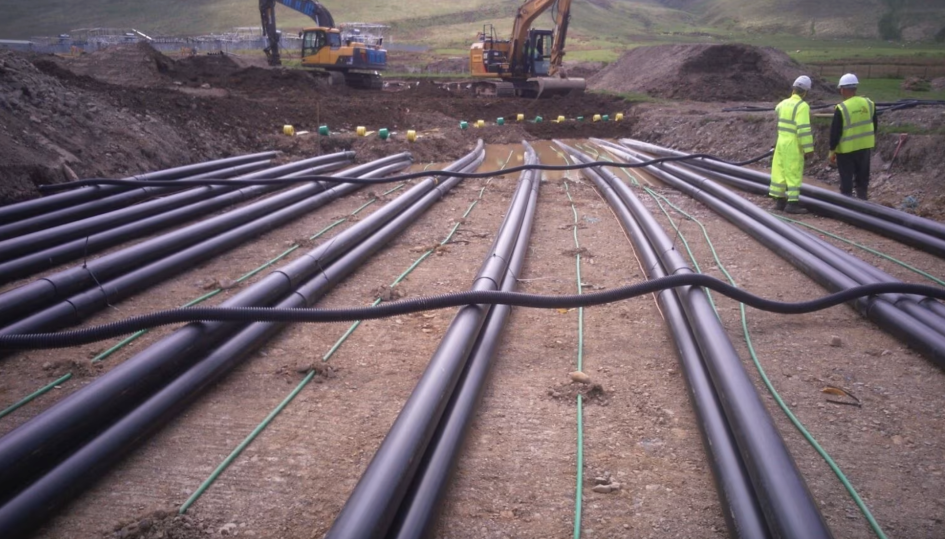
Groundwork is the first stage of any construction project. It prepares the site so that everything built on top is stable, safe, and built to last. In simple terms, groundwork includes all the work done below ground level before the main structure begins. These covers clearing the site, preparing the soil, installing drainage, and laying foundations.
Without proper groundwork, even a well-designed building can develop problems later. Issues such as subsidence, poor drainage, or structural movement often link back to how the site was prepared. This is why understanding what groundwork in construction is is important before any project begins.
What Is Groundwork in Construction?
Groundwork refers to all preparation work carried out on a site before building starts above ground. It creates the base that supports everything else. This includes making sure the ground is stable, level, and ready to handle the load of the structure. Groundwork is not a single task. It is a sequence of steps carried out in the right order. If one part is missed or rushed, it often leads to problems later.
What Does Groundwork Actually Involve?
Most projects include a combination of the following:
- Clearing the site
- Excavation and levelling
- Drainage installation
- Foundation work
- Installing underground services
Each step builds on the previous one. For example, drainage is usually installed before final ground levels are completed, so water can be directed away from the structure from the start. If these stages are done out of sequence, it often means reopening completed areas later. This adds time, increases cost, and disrupts the rest of the build. This is why coordination at this stage is just as important as the work itself.
Why Groundwork Matters Before Construction Starts
Groundwork affects how the entire project performs, both during construction and long after completion. A well-prepared site allows everything else to move forward as planned. Trades can work efficiently, and materials can be installed without delays or adjustments. It also makes the build more predictable. When levels, drainage, and foundations are correct from the start, there are fewer unexpected issues as the project progresses. Poor groundwork tends to show up later.
Common Issues Caused by Poor Groundwork
- Water collecting around foundations
- Cracking due to ground movement
- Delays caused by rework
- Increased long-term maintenance
In many cases, these issues are not immediately visible. They develop over time, which makes them harder and more expensive to fix. For example, poor drainage may not cause problems straight away, but over months or years, it can weaken the ground around the structure. By the time it is noticed, repairs often involve digging back into finished areas.
Why Getting It Right Early Makes a Difference
When groundwork is done properly:
- The structure remains stable over time
- Drainage works as intended
- The project stays on schedule
- Costs are controlled from the start
It also reduces pressure on later stages of the build. Trades can work with accurate levels and prepared surfaces, rather than adjusting around issues. In practical terms, this means fewer delays, fewer changes, and a smoother construction process overall. This stage reduces risk more than any other part of the build.
Types of Groundwork Services
Different projects require different approaches. Understanding the types of groundwork services helps clarify what may be needed and how the work should be planned from the start. The scale of the project, ground conditions, and end use all influence how groundwork is carried out.
1. Residential Groundworks
Used for houses, extensions, and smaller developments. Focus areas include:
- Site preparation
- Drainage layout
- Foundation work
- Access and driveways
While residential projects are smaller in scale, they still require careful planning. Ground conditions can vary even within a single plot, which affects how foundations are designed. Access is another key factor. On many residential sites, space is limited, so equipment and materials need to be managed efficiently to avoid delays. Drainage also plays a bigger role than most expect. Poor water management around a home can lead to damp issues, surface water build-up, or long-term damage to foundations.
2. Commercial Groundworks
Larger sites bring more complexity. These projects often involve:
- Extensive excavation
- Reinforced foundations
- Larger drainage systems
- Coordination between multiple teams
Commercial groundwork is less about individual tasks and more about how everything works together. Multiple trades are often scheduled to work in sequence, so delays at groundwork stage can affect the entire project timeline. For example, if excavation or foundation work runs late, it can hold up structural work, utilities, and surface finishing.
There is also a greater need for consistency across the site. Levels, drainage, and load-bearing areas must all align with design specifications to support larger structures safely. Timing and efficiency are critical at this level, but they should not come at the expense of accuracy.
3. Infrastructure and Specialist Projects
Some groundwork supports larger infrastructure or environmental work. Examples include:
- Bridge foundations
- Energy-related projects
- Land restoration work
These projects often involve more challenging conditions. This could include working on uneven terrain, near water, or in areas with environmental restrictions. Groundwork in these cases is not just about preparing the site. It also involves adapting to the surroundings and meeting strict engineering and environmental requirements.
Projects such as Bridges or Hydro Electric Schemes require careful planning, specialised equipment, and experienced teams who understand how to manage risk at every stage. In these environments, even small errors in groundwork can have a wider impact, which is why attention to detail and proper sequencing are essential.
Choosing Groundwork Contractors in Scotland
Experienced groundwork contractors in Scotland understand local ground conditions, weather patterns, and how these factors affect excavation, drainage, and foundations. This local knowledge helps avoid delays and reduces the risk of issues during the build.
A reliable contractor should:
- Assess the site before work begins
- Provide clear recommendations based on ground conditions
- Work safely and efficiently
- Coordinate with other trades on site
It is also important that they can plan beyond the immediate work. Groundwork should not be treated as a standalone task, it needs to align with the full construction programme. For example, drainage layout, service routes, and foundation levels all need to match what comes next. If these are not considered early, it can lead to rework later in the project.
They should also be able to adapt to changing conditions during the project. Ground conditions are not always predictable, and the ability to adjust while maintaining progress is a key part of experienced groundwork delivery. Working with teams that specialise in Groundworks helps ensure the site is prepared properly from the start, reducing delays and supporting a smoother build overall.
Final Thoughts
Groundwork is often overlooked because it happens before visible construction begins. However, it has a direct impact on the quality and performance of the finished structure. Taking the time to understand what groundwork in construction is, and working with experienced contractors, helps ensure the project starts on the right footing.
If you are planning a project and need support with site preparation, drainage, or foundations, working with an experienced team can make the process more easy. Contact us at MAM Contracting for a practical, well-planned groundwork services that help keep projects on track from the start.