
- Telephone | 01764 654703
- Email | mam@mamcontracting.co.uk
8 Common Groundwork Problems & How To Avoid Them
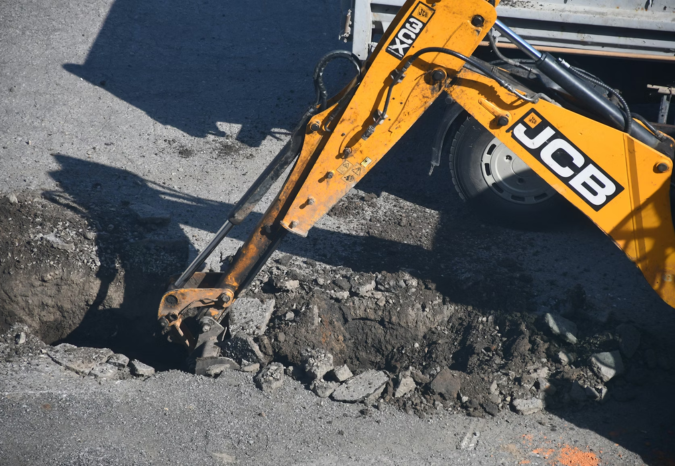
Groundwork is one of the first stages of a construction project, but it has a long-term effect on everything that follows. Before foundations are built, services are installed, or external areas are finished, the site needs to be prepared properly. If this stage is rushed or poorly planned, small issues can become expensive problems later in the build.
Many common groundwork problems are linked to drainage, soil conditions, access, levels, and unexpected underground obstructions. These issues are not always visible at the start, which is why early planning and proper site assessment matter. This guide explains the main groundwork challenges UK projects often face, and how they can be avoided before they affect the wider construction process.
Why Groundwork Problems Happen
Most groundwork issues happen because the site has not been fully understood before work begins. Every site behaves differently. Some hold water for longer. Some have soft or unstable ground. Others may have existing services, old foundations, buried waste, or poor access that affects how work can be carried out. This is why groundworks should be planned around the actual site conditions, rather than treated as a standard process.
Good groundwork preparation looks at the land, the soil, water movement, access routes, service locations, and future building requirements. When these details are missed, the project can face delays, redesigns, or additional repair work.
1. Poor Drainage Planning
Drainage is one of the most common causes of groundwork problems. If water has no clear route away from the site, it can collect in low areas, soften the ground, or put pressure around foundations. This is especially common during periods of heavy rainfall, where surface water can quickly expose weak points in the site layout. Drainage problems groundworks teams often deal with include standing water, saturated excavation areas, blocked routes, and water flowing towards the structure instead of away from it.
Proper drainage planning should start before the main groundwork begins. This allows drainage routes, falls, soakaways, gullies, and pipework to be positioned correctly while the site is still open. If drainage is planned too late, it may have to work around fixed levels, foundations, and services. That usually makes the solution harder to install and less efficient.
For more drainage-focused projects, working with experienced drainage contractors helps make sure water is managed properly from the start.
2. Soil Issues in Construction
Soil conditions play a major role in how stable a site will be. Some soils drain well, while others hold moisture for long periods. Clay-heavy soil, for example, can expand when wet and shrink when dry. Soft or lose ground may struggle to support loads without additional preparation. These soil issues in construction can affect excavation, foundation design, drainage performance, and finished ground levels.
If the soil is not assessed early, problems may only appear once work has started. This can lead to delays while the design is reviewed or while the ground is improved. Common signs of poor soil conditions include uneven settlement, waterlogged areas, soft excavation bases, and ground that shifts more than expected. Avoiding this starts with understanding the site before construction begins. Soil type, moisture levels, slope, and load requirements should all be considered during the groundwork stage.
3. Incorrect Site Levels
Site levels affect how water moves, how foundations are set out, and how finished surfaces connect with the building. If levels are wrong, water may flow towards the property instead of away from it. Paths, driveways, patios, and landscaped areas may also sit too high or too low against the structure. This can create drainage issues, access problems, and long-term moisture risks around the building.
Correct levels need to be planned before excavation and foundation work starts. They should also be coordinated with external works such as driveways, paving, garden areas, and service routes. A small change in level can affect the whole site. That is why setting out should be checked carefully before the next stage of construction begins.
4. Site Flooding Risks
Site flooding prevention is an important part of groundwork planning, especially in areas exposed to heavy rainfall or poor natural drainage. Flooding does not always mean large-scale floodwater. In many cases, it starts with localised water build-up on the site. This can slow work down, damage prepared areas, and make excavation unsafe.
Water can also wash loose material into drains, weaken access routes, or make it difficult for machinery to move across the site. Reducing this risk means thinking about water movement before construction starts. Temporary drainage, safe water diversion, suitable storage areas, and clear access routes can all help keep the site workable.
Permanent drainage should also be considered early, so the finished project has a proper system in place once construction is complete. MAM Contracting has also covered how proper drainage supports construction projects, which is closely linked to avoiding flooding and long-term water problems.
5. Hidden Underground Services
Another common issue is finding unexpected services below ground. Older sites may have pipes, cables, drains, tanks, or previous foundation structures that are not clearly shown on drawings. If these are discovered during excavation, work may need to stop while the issue is checked and resolved.
This can affect the programme, increase costs, and create safety concerns. Before digging begins, existing records should be reviewed where available. Site inspections and service location checks can also help reduce the risk of hitting unknown utilities.
Groundwork should also be coordinated with new service routes. This includes drainage, water supply, electricity, telecommunications, and other underground infrastructure. Poor coordination can lead to clashes, rework, or awkward routes that make future maintenance more difficult.
6. Weak Access Routes
Construction sites need safe and reliable access. If access routes are not properly prepared, vehicles and machinery may struggle to reach the working area. This can slow deliveries, damage the ground, and create safety risks during wet weather. Access is often more difficult on sloped, rural, or restricted sites. Soft ground can make the issue worse, especially when heavy plant is needed.
A good access plan considers vehicle movement, delivery points, turning space, ground protection, and how the route will hold up during different weather conditions. For larger or rural projects, early access planning can make the whole build easier to manage. This is especially true where drainage, surfacing, and foundation work need to happen in stages.
7. Poor Foundation Preparation
Foundations rely on the ground beneath them. If the ground is not prepared properly, the foundation may not perform as intended. Problems can happen when excavation depths are inconsistent, soft spots are missed, or water is allowed to collect in foundation trenches. Foundation preparation should match the design requirements and the site conditions.
This includes checking formation levels, removing unsuitable material, and making sure the base is stable before concrete is placed. For housing and development projects, new build groundworks need careful coordination because mistakes at this stage can affect the rest of the build. A well-prepared foundation base gives the structure a more reliable starting point.
8. Poor Timing And Sequencing
Groundwork involves several connected stages. Excavation, drainage, foundations, service routes, access, and external levels all need to work together. If these tasks happen in the wrong order, one part of the project can interfere with another. For example, installing drainage after levels are fixed may limit where pipes can run. Laying services without checking future access routes can create conflicts later. Starting external works before water movement is understood may create pooling or runoff problems.
Good sequencing helps avoid unnecessary rework. It also gives each stage enough space to be completed properly before the next one begins. This is why it helps to understand what groundwork includes before construction starts.
How To Avoid Groundwork Problems
Most groundwork issues are easier to prevent than fix. The key is to assess the site early, plan the sequence properly, and make sure drainage, soil conditions, levels, access, and services are considered together. A good groundwork plan should answer practical questions before work begins. Where will water go? What condition is the soil in? Are there existing services underground? Can machinery access the site safely? Do the levels support the finished design? When these questions are dealt with early, the project has a stronger base to build from.
Final Thoughts
Common groundwork problems can affect cost, timing, safety, and the long-term performance of a property. Drainage issues, poor soil conditions, incorrect levels, flooding risks, hidden services, and weak access routes all have one thing in common: they are easier to manage when they are identified early. Groundwork is the stage that prepares the site for everything that comes after. When it is planned properly, the rest of the project has a more stable and reliable starting point. At MAM Contracting, groundwork is approached as part of the wider site strategy. If you are planning construction work, our team can help you understand what your site needs before the main build begins.