
- Telephone | 01764 654703
- Email | mam@mamcontracting.co.uk
Surface Water Vs. Foul Water Drainage: What’s The Difference?
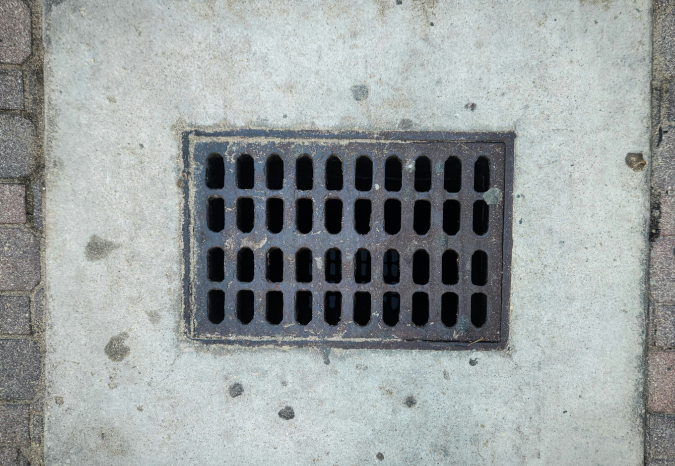
Drainage systems are an important part of any property, but they are often misunderstood until something goes wrong.
In UK construction, drainage is usually divided into two main systems: surface water drainage and foul water drainage. Both remove water from a property, but they deal with very different types of water.
Surface water comes from rainfall. Foul water comes from toilets, sinks, showers, baths, washing machines, and other appliances. These systems usually need to be kept separate because they have different functions, risks, and disposal routes. The Planning Portal explains that UK drainage is generally split into foul and surface water systems, with both above ground and underground elements.
This guide explains surface water vs foul water drainage, how each system works, and why the difference matters when planning building work.
What Is Surface Water Drainage?
Surface water drainage deals with rainwater that lands on roofs, driveways, patios, paths, roads, and other external surfaces. Once rain falls onto a property, it needs somewhere safe to go. If it is not managed properly, it can collect around the building, soak into the ground, or put pressure on foundations and external walls. A surface water drainage system property may include gutters, downpipes, gullies, channels, soakaways, drainage pipes, or connections to an approved surface water sewer.
The aim is to move rainwater away from the building before it causes problems. This type of drainage is especially important on properties with hard landscaping. Driveways, paving, and compacted ground reduce how much water can soak into the soil naturally. That means more water needs to be collected and redirected.
What Is Foul Water Drainage?
The foul water drainage meaning is simple: it refers to wastewater from inside the property. This includes water from: Toilets, sinks, basins, baths, showers, dishwashers, and washing machines. Unlike rainwater, foul water contains waste, soap, grease, and other materials that need proper treatment. It cannot be discharged into the ground or surface water system without the correct process in place.
Foul water is usually carried through internal pipework into underground foul drains. From there, it typically goes into a public sewer, private sewer, septic tank, or wastewater treatment system, depending on the property and location. Approved Document H states that an adequate foul water drainage system should carry wastewater from appliances to a public sewer where reasonably practicable, or to other suitable approved systems where this is not possible.
Key Differences
The main difference between surface water and foul water drainage is the type of water being carried. Surface water is rainwater. Foul water is used water from inside the building.
Type Of Water
Surface water comes from rainfall, usually from roofs, driveways, patios, and other external areas. Foul water comes from inside the property, including toilets, sinks, showers, baths, washing machines, and other appliances.
System Function
That difference affects how each system is designed. Surface water drainage focuses on controlling rainfall, reducing pooling, and preventing water from sitting around the property. Foul water drainage focuses on hygiene, safe disposal, and preventing wastewater from entering the wrong system.
Why Separation Matters
If these systems are confused or connected incorrectly, it can lead to drainage issues, contamination risks, and compliance problems. For example, rainwater entering a foul system can overload the drainage network during heavy rainfall. Foul water entering a surface water drain can create pollution and health concerns. This is why proper planning is needed before drainage routes are installed.
Types Of Drainage Systems UK
There are several types of drainage systems UK properties may use, depending on the site, soil, layout, and available sewer connections. A surface water system may use soakaways where ground conditions allow water to disperse naturally. It may also use rainwater pipes, channel drains, gullies, or underground pipes that direct water to an approved outfall.
A foul water system may connect to a mains sewer. In rural areas, where a mains connection is not available, the property may need a septic tank, cesspool, or treatment plant. Some properties also have combined drainage systems, where foul water and surface water enter the same sewer. However, separate systems are usually preferred for new works where possible. Approved Document H includes guidance on foul water drainage, rainwater drainage, and separate systems of drainage.
The right system depends on the site. A solution that works well on one property may not suit another, especially where soil conditions, gradients, and existing services are different.
Why Separation Matters
Keeping surface water and foul water separate helps each system work properly. Surface water drainage needs to manage rainfall quickly, especially during heavy weather. Foul water drainage needs to carry wastewater safely and hygienically to the correct treatment or sewer system.
When the wrong water enters the wrong drain, problems can develop. A foul drain receiving too much rainwater may become overwhelmed. A surface water drain receiving foul waste may cause pollution and unpleasant odours.
These issues are easier to prevent during the groundwork stage than to correct later. Once foundations, landscaping, driveways, and service routes are in place, drainage changes can become more disruptive and costly.
Building Drainage Regulations UK
Drainage work needs to follow the correct rules and guidance. In England and Wales, Approved Document H covers drainage and waste disposal under the Building Regulations. It includes guidance on foul water drainage, rainwater drainage, wastewater treatment systems, building over sewers, and separate drainage systems.
For property owners, this means drainage should be planned properly before work begins. The route, depth, fall, access points, and discharge location all matter. Building control may also need to inspect drainage work, especially for new builds, extensions, conversions, and changes to existing drainage. Local water authorities may also be involved if the work affects public sewers or requires a new connection.
Good drainage is not only about moving water away. It also needs to be accessible for inspection, suitable for the site, and compliant with the relevant requirements.
Common Drainage Mistakes
Drainage problems often start with small planning errors. These may not cause issues straight away, but they can affect how the system performs once the property is in use.
1. Assuming All Drains Are the Same
One common mistake is assuming all drains carry the same water. This can lead to incorrect connections, especially during extensions or external works. Surface water and foul water need to follow the right routes, so each system can work as intended.
2. Planning Drainage Too Late
Another issue is leaving drainage until late in the project. By that stage, levels may already be fixed, making it harder to create the right fall or connect to the right system. This can lead to compromises that are harder to correct once groundwork is complete.
3. Underestimating Surface Water
Surface water is also sometimes underestimated. A small area of paving or a new driveway can change how water moves across a site. If that water has no planned route, it may collect near the building or flow towards neighbouring land.
4. Overlooking Foul Drainage Details
Foul drainage can also be affected by poor pipe gradients, limited access points, or conflicts with other underground services. These details may seem small during planning, but they can affect how the system performs over time.
Planning Drainage Early
Drainage works best when it is considered at the start of a project. This allows the surface water and foul water systems to be planned alongside excavation, foundations, service routes, and finished ground levels. It also helps avoid clashes with utilities such as piping and cabling.
Early planning gives the drainage system a clearer route and reduces the need for later changes. It also helps make sure water is directed away from the right areas and discharged in the correct way. For homeowners, this is especially useful before extensions, new driveways, landscaping work, or major groundworks.
Final Thoughts
Surface water and foul water drainage serve different purposes, but both are essential to how a property functions. Surface water drainage manages rainfall around the site. Foul water drainage carries wastewater safely away from the building. When both systems are planned correctly, they help protect the property, reduce drainage problems, and support compliance with UK building requirements.
If you are planning groundwork, an extension, or changes to your external layout, drainage should be considered early. At MAM Contracting, we look at drainage as part of the wider groundwork plan, so the system fits the site rather than being treated as an afterthought. If you are planning groundwork or drainage work, you can contact our team to discuss what your site needs.