
- Telephone | 01764 654703
- Email | mam@mamcontracting.co.uk
Groundwork Case Study Scotland: Successful Site Development Projects
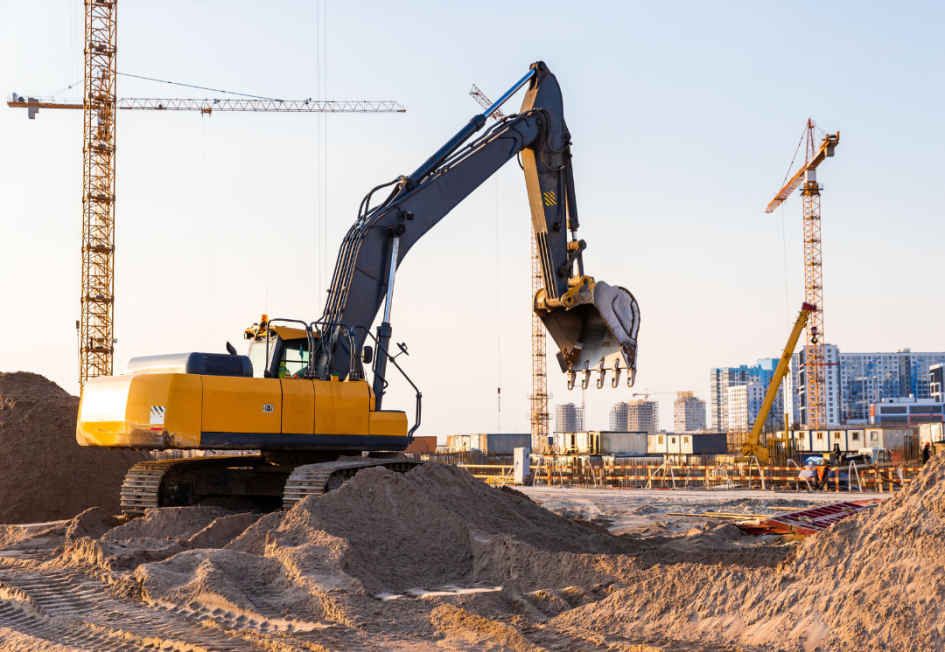
Every successful construction project begins long before buildings, roads, or infrastructure start to take shape. Groundworks and drainage create the foundation that supports everything that follows, influencing site stability, drainage performance, accessibility, and long-term durability.
While no two projects are identical, many successful developments share similar approaches to planning, site preparation, and water management. Reviewing examples from completed projects can provide valuable insight into the challenges commonly encountered during construction and the solutions used to overcome them.
This guide explores key lessons drawn from residential, commercial, and infrastructure developments, highlighting the importance of effective groundwork and drainage planning throughout the construction process.
Why Groundwork Plays a Critical Role in Project Success
Groundworks form the link between the existing site and the proposed development. Regardless of project size, the condition of the ground influences excavation requirements, foundation design, drainage performance, utility installation, and site accessibility. When groundwork planning is overlooked or delayed, projects can encounter a range of challenges, including:
- Poor drainage performance
- Delays caused by unexpected ground conditions
- Foundation issues
- Increased excavation costs
- Access difficulties for plant and machinery
Many of these risks can be identified during the planning stage through site investigations, surveys, and detailed design work. Successful projects often begin with a thorough understanding of site conditions rather than a one-size-fits-all approach.
Residential Groundwork Project Example
Site Conditions And Initial Challenges
A typical residential groundwork project may involve undeveloped land, sloping terrain, existing drainage constraints, or variable soil conditions. Before construction begins, contractors need to understand:
- Ground stability
- Existing water movement across the site
- Foundation requirements
- Access routes for construction traffic
- Utility connection requirements
These factors influence both project planning and construction sequencing. Ground investigations completed during the early stages often provide valuable information that can help reduce unexpected issues once excavation work begins.
Developing The Groundwork Strategy
Once site conditions are understood, the groundwork strategy can be developed around the specific requirements of the project. This may include earthworks to achieve suitable site levels, excavation for foundations, installation of drainage infrastructure, and preparation of access routes. Drainage planning often runs alongside these activities to ensure water management remains effective throughout both the construction phase and the completed development. As highlighted in our article on common groundwork problems and how to avoid them, many construction issues originate from site preparation challenges that could have been identified earlier.
Project Outcomes
Residential developments that prioritise groundwork planning often experience fewer disruptions during later construction stages. Well-designed drainage systems, stable foundations, and properly prepared construction platforms provide a strong basis for the remaining phases of the project. While every site presents different challenges, the principle remains the same: investing time in early groundwork planning often reduces risk throughout the development process.
Common Lessons Learned: Drainage Project in UK
Drainage systems play a crucial role in protecting both new developments and surrounding land from water-related issues. Many drainage project examples UK demonstrate how effective water management contributes to the long-term success of construction projects.
Managing Surface Water Effectively
Surface water can create significant challenges if it is not properly controlled. Heavy rainfall, changing site levels, and increased hardstanding areas can all alter natural drainage patterns. Without suitable drainage infrastructure, water may accumulate around foundations, roads, and landscaped areas. Successful drainage projects often focus on:
- Capturing runoff before it becomes problematic
- Controlling the speed of water movement
- Directing water towards suitable discharge points
- Reducing pressure on downstream drainage systems
The exact solution will vary depending on the site, but the objective remains consistent: managing water safely and efficiently.
Integrating Drainage Into Site Design
Drainage systems perform best when they are considered as part of the wider site design rather than being treated as a separate element. Road layouts, finished levels, utility corridors, retaining structures, and landscaping can all influence drainage performance. This integrated approach often reduces the likelihood of costly modifications later in the project. Further guidance can be found in our article on choosing the right drainage system for your site, which explores how drainage requirements vary between developments.
Long-Term Drainage Performance
Successful drainage systems are designed not only for immediate construction needs but also for long-term performance. Maintenance access, inspection points, and future capacity requirements should all be considered during the design stage. Projects that account for future maintenance requirements often experience fewer operational issues after completion.
What Developers Should Look For In A Groundworks Contractor Scotland
Selecting the right groundworks contractor Scotland can have a significant influence on project outcomes. Experience, planning capability, and technical knowledge all contribute to the successful delivery of groundwork and drainage works. When assessing potential contractors, developers may wish to consider:
- Experience with similar project types
- Knowledge of local ground conditions
- Drainage expertise
- Plant and equipment capability
- Health and safety standards
- Project planning processes
A contractor's ability to identify site-specific risks and propose practical solutions often provide valuable support throughout the development process.
Key Factors Behind Successful Projects
Early Site Assessments
Detailed site investigations provide essential information for design and construction planning. Understanding soil conditions, drainage patterns, groundwater levels, and access constraints allows potential risks to be identified before work begins. This information can influence everything from excavation methods to foundation selection and drainage design.
Coordinated Planning Between Disciplines
Groundworks, drainage, foundations, utilities, and access routes are closely connected. Projects that coordinate these elements from the outset often experience smoother delivery and fewer construction-stage adjustments. This approach can also improve efficiency by reducing conflicts between different stages of work.
Responding To Site Conditions
Even with detailed planning, construction projects can encounter unexpected conditions. Groundwater, buried obstructions, changing weather patterns, and unforeseen ground conditions may require adjustments during construction. Successful projects often rely on flexible planning and experienced site teams capable of responding to changing circumstances while maintaining progress.
The Relationship Between Groundworks and Drainage
Groundworks and drainage are often discussed separately, but they operate as closely connected systems. Excavation works influence drainage routes. Drainage infrastructure affects foundation performance. Site levels determine how water moves across the development. For this reason, successful projects typically consider both elements together.
Our article on how proper drainage enhances construction projects explores how effective drainage contributes to the long-term performance of construction works. It is also important to understand the distinction between different drainage networks. Our guide to surface water and foul water drainage explains the role each system plays within a development.
Lessons That Apply Across Different Project Types
Although project requirements vary considerably, several lessons consistently emerge from successful groundwork and drainage projects. These include:
- Understanding site conditions before construction begins
- Integrating drainage planning into the overall project design
- Identifying risks early in the planning process
- Allowing sufficient time for site preparation
- Working with experienced contractors familiar with local conditions
These principles apply equally to residential developments, commercial projects, infrastructure works, and land development schemes.
Why Early Groundwork Planning Matters
Successful construction projects rely on much more than the visible stages of development. Effective groundwork planning, drainage design, and site preparation create the conditions needed for long-term performance and project success. Lessons drawn from residential developments, drainage installations, and wider site development projects demonstrate the value of understanding site conditions, coordinating construction activities, and managing water effectively from the earliest stages of a project.
MAM Contracting works across a wide range of projects throughout Scotland, helping developers, landowners, and construction professionals assess site conditions and gain a clearer understanding of likely groundwork and drainage requirements before construction begins. For projects that require experienced groundwork and drainage support, contact us to discuss the site requirements in more detail.