
- Telephone | 01764 654703
- Email | mam@mamcontracting.co.uk
How To Choose the Right Drainage System for Your Site
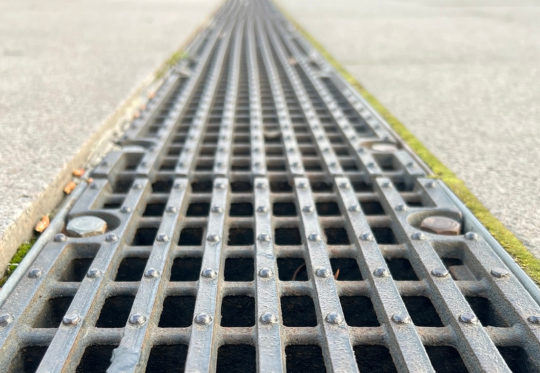
Choosing the right drainage system is one of the most important decisions in site preparation. Drainage affects how water moves across the land, how stable the ground remains, and how well the finished property performs over time. If the wrong system is chosen, water can collect in problem areas, overload drains, soften the ground, or create issues around foundations and external surfaces.
For developers and property owners, the goal is to choose a drainage system for the site that matches the ground conditions, building layout, rainfall exposure, and project requirements. This guide explains what to consider before drainage work begins, and how proper planning helps avoid problems later in the project.
Why Drainage Planning Matters
Drainage planning should happen before major groundwork starts. At this stage, the site is still open, levels can still be adjusted, and drainage routes can be planned alongside excavation, foundations, service trenches, and finished surfaces. If drainage is left until later, the system may have to work around fixed levels or existing structures. This can make the final solution harder to install and less effective.
MAM Contracting explains on its drainage contractors page that drainage contractors focus on managing stormwater, wastewater, surface runoff, drainage pipes, gutters, sewers, and surface water management. That is why drainage is usually best considered as part of the wider site strategy rather than a separate add-on.
Understand The Site First
The right drainage system starts with understanding the site. Every site has its own water behaviour. Some areas naturally shed water quickly, while others hold moisture after rainfall. Ground slope, soil type, surrounding land, nearby watercourses, existing drains, and finished levels all affect how the drainage should be designed. A site drainage solution UK property owners can rely on should be based on these conditions, rather than chosen as a standard option.
Before choosing a system, it helps to understand where water currently flows, where it collects, and how construction will change that movement. A new building, driveway, hardstanding area, or landscaped surface can all alter how water behaves on the site.
Check Soil Conditions
Soil conditions affect how well a drainage system will perform. Free-draining ground may allow water to soak away naturally. Clay-heavy or compacted soil may hold water for longer, which can limit the effectiveness of soakaways and infiltration systems. If the ground cannot absorb water quickly enough, surface water may need to be collected and redirected through channels, gullies, pipes, or other approved drainage routes.
Soil also affects excavation, foundation preparation, and long-term ground stability. This is why drainage planning should be linked with groundworks, especially when the project involves excavation, foundations, or service installation. Poor assumptions about soil can lead to drainage systems that work on paper but struggle during heavy rainfall.
Identify The Water Type
Before choosing a system, it is important to know what type of water needs to be managed. Surface water comes from rainfall. It usually lands on roofs, driveways, roads, patios, paths, and other external surfaces. Foul water comes from inside the property. This includes wastewater from toilets, sinks, showers, baths, washing machines, and dishwashers.
These two types of water normally need separate systems because they carry different risks and follow different disposal routes. Surface water drainage is designed to manage rainfall and runoff. Foul water drainage is designed to carry wastewater safely to a sewer, septic tank, treatment plant, or other suitable system. Approved Document H covers foul water drainage, rainwater drainage, pipe sizes, manholes, inspection chambers, and related drainage requirements.
Choose The Right System
There is no single drainage system that works for every site. The best choice depends on the land, the project, and where the water can safely go. In many cases, drainage system design UK projects use a combination of methods rather than one isolated solution. For surface water, this may include gutters, downpipes, gullies, channel drains, soakaways, attenuation crates, swales, permeable surfaces, or connections to an approved drainage network.
For foul water, the system may involve underground pipework leading to a mains sewer, private sewer, septic tank, cesspool, or wastewater treatment plant, depending on location and availability. Where the site includes hard landscaping or vehicle access, surface water control becomes even more important. Areas such as driveways, yards, and access routes can increase runoff because less water is able to soak into the ground naturally.
Consider SuDS Early
Sustainable drainage systems Scotland projects often need to consider SuDS at an early stage. SuDS are designed to manage surface water in a way that is closer to natural drainage. They can slow runoff, encourage infiltration where suitable, improve water quality, and reduce pressure on drainage networks. The Scottish Government describes Sustainable Urban Drainage as a concept that focuses drainage decisions on the environment and people, while also considering water quantity, water quality, amenity, and biodiversity.
SuDS can include features such as swales, detention basins, permeable paving, filter drains, ponds, and rain gardens. The right option depends on the site and the type of development. For many projects, SuDS should be considered before the layout is finalised. Once buildings, roads, parking areas, and levels are fixed, it can be harder to include these features properly.
Plan The Drainage Route
A drainage system needs a clear and practical route. Pipes, channels, gullies, manholes, soakaways, and discharge points all need to be positioned carefully. The system also needs the correct fall, so water can move as intended. Poor route planning can lead to shallow pipes, awkward bends, access problems, or clashes with other underground services.
This is especially important where drainage is being installed alongside utilities such as water, electricity, telecoms, and piping and cabling. If these routes are planned separately, they can conflict once excavation begins. Good construction drainage planning looks at the full site layout before trenches are opened. This reduces rework and helps make sure the drainage system can be accessed for inspection and maintenance later.
Think About Flood Risk
Drainage planning should also consider how the site behaves during heavy rainfall. A system that works in normal conditions may struggle if water reaches the site faster than it can drain away. This can happen on sloped land, compacted ground, clay-heavy soil, or sites with large hard surfaces. Flood risk does not always come from rivers or large-scale flooding. It can also come from localised surface water build-up when rainfall has nowhere to go.
The Scottish Government’s surface water management guidance explains that surface water flooding can involve complex interactions between drainage systems, sewers, roads, planning, and flood management responsibilities. For construction sites, this means water movement should be planned at both temporary and permanent stages. Temporary drainage may be needed during the build, while the finished system needs to protect the completed property.
Check Regulations And Permissions
Drainage work may need to meet building regulations, planning requirements, water authority requirements, or local authority guidance. The exact requirements depend on the site, the location, and the type of system being installed. New builds, extensions, commercial developments, rural sites, and projects near existing sewers may all need different checks.
In England, Approved Document H gives guidance on drainage and waste disposal. It covers foul water, rainwater drainage, separate systems, and building over sewers. In Scotland, drainage requirements may also involve Scottish building standards, SuDS expectations, Scottish Water, SEPA considerations, and local authority planning requirements depending on the development.
For new build groundworks, it is especially important to confirm drainage requirements early because they can affect foundations, service routes, external levels, and inspection points.
Allow For Maintenance
A drainage system should be designed so it can be checked, cleaned, and maintained. Even a well-designed system can develop issues if access is poor. Blockages, silt build-up, root ingress, damaged pipes, or standing water can become harder to deal with when inspection points are missing or badly positioned.
Manholes, rodding points, gullies, and access chambers should be placed where they can be reached safely. This helps the system remain usable over time. MAM’s drainage guidance explains that drainage maintenance helps prevent backups, flooding, property damage, and structural issues linked to excess moisture.
Avoid Late Changes
Drainage is much easier to adjust before construction reaches later stages. Once foundations are poured, roads are formed, or external surfaces are finished, changing drainage routes becomes more disruptive. It can involve breaking out completed work, changing levels, or redirecting services. Late changes can also affect compliance if the revised system no longer follows the approved route or discharge method.
This is why drainage should be reviewed alongside the wider construction sequence. MAM’s guide on what groundwork includes is useful here because drainage, foundations, site preparation, and service routes are closely connected during the early stages of a project.
Final Thoughts
Choosing the right drainage system for your site depends on more than the type of pipe or drain being installed. The site conditions, soil, water type, rainfall exposure, access, discharge route, regulations, and future maintenance all need to be considered together. A system that suits one property may not suit another, especially where ground levels, drainage capacity, and soil conditions are different.
Early drainage planning helps reduce site problems, avoid rework, and protect the finished property from avoidable water issues. At MAM Contracting, drainage is considered as part of the wider groundwork plan. If you are preparing a site for construction, our team can help you understand what type of drainage approach may suit the project from the start.