
- Telephone | 01764 654703
- Email | mam@mamcontracting.co.uk
Cost Guide: Groundwork and Drainage Installation in Scotland
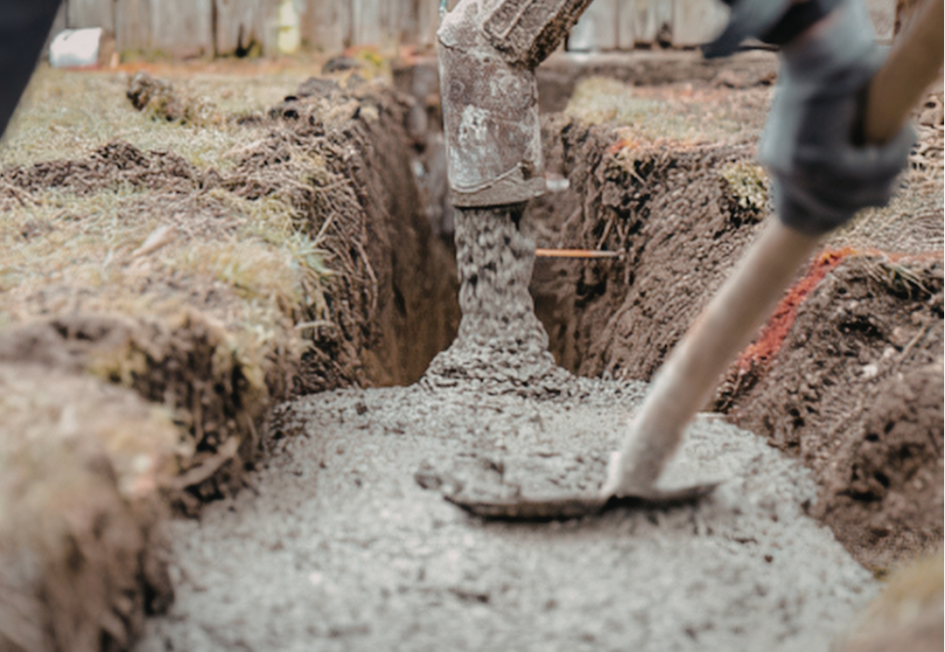
Groundworks form the foundation of every successful construction project. Before buildings are constructed, roads are installed, or utilities are connected, the site must first be prepared to support the development safely and efficiently.
While many clients focus on the visible stages of construction, groundwork and drainage works often represent one of the most significant early investments in a project.
Understanding groundwork cost Scotland can be challenging because no two sites are exactly alike. Ground conditions, drainage requirements, access constraints, project size, and location can all influence the final cost. As a result, pricing can vary considerably between projects that may appear similar at first glance.
For developers, landowners, self-builders, and commercial clients, understanding what influences groundwork and drainage costs can help with budgeting, project planning, and contractor selection.
Let’s look more about cost and pricing for groundwork and drainage installation.
Why Groundwork Costs Vary Between Projects
One of the most common questions contractors receive is, "How much will the groundworks cost?" The answer depends on a wide range of site-specific factors. A straightforward development on level, well-drained ground may require minimal preparation, while a site with poor ground conditions, drainage challenges, or difficult access can involve substantially more work.
Project scope also plays a major role. Groundworks for a single residential property will differ significantly from those required for commercial developments, agricultural infrastructure, roads, bridges, or utility installations. When assessing groundwork cost Scotland, contractors typically evaluate:
- Site size and layout
- Ground conditions
- Existing drainage infrastructure
- Excavation requirements
- Access for plant and machinery
- Foundation requirements
- Utility connections
- Environmental considerations
Each of these elements contributes to the overall scope of works and influences project costs.
What Is Included in Groundwork Costs?
Site Clearance and Preparation
Before construction can begin, the site often requires preparation to create a safe and suitable working area. This may involve removing vegetation, clearing debris, stripping topsoil, and preparing access routes for machinery. Existing structures may also require demolition before groundwork operations can commence. The extent of site clearance depends largely on the condition of the land and the intended development. Projects involving previously undeveloped land, forestry areas, or former industrial sites may require more extensive preparation than sites that have already been partially developed.
Excavation And Earthworks
Excavation and earthworks often represent a significant proportion of the overall project cost. These works may include foundation excavations, trenching for utilities, cut-and-fill operations, embankment construction, and site regrading. The volume of material that needs to be excavated, moved, imported, or removed from site will influence both labour and plant requirements. Difficult ground conditions can increase costs further. Rock excavation, unstable soils, or high groundwater levels may require specialist equipment and additional engineering solutions.
Drainage Installation
Drainage forms a critical part of most groundwork projects. Without effective drainage infrastructure, water can affect foundations, roads, hardstanding areas, and surrounding land. The drainage installation cost UK can vary depending on several factors, including the type of drainage system required, site conditions, and discharge arrangements.
Typical drainage works may include:
- Surface water drainage systems
- Foul water drainage systems
- Attenuation systems
- Filter drains
- Drainage channels
- Inspection chambers
- Culverts and pipework
As explained in our guide on choosing the right drainage system for your site, selecting the appropriate drainage solution depends on the specific characteristics of the site.
Foundations And Concrete Works
Foundation requirements can have a significant impact on overall project costs. Simple strip foundations may be suitable for some developments, while others require reinforced concrete foundations, ground beams, piling systems, or specialist engineering solutions. The size of the structure, ground conditions, and loading requirements all influence foundation design and associated costs. When reviewing quotations, it is important to understand whether foundation works are included within the proposed scope.
Typical Factors That Influence Groundwork Cost Scotland
Ground Conditions
Ground conditions are often one of the biggest cost variables. Stable, free-draining ground generally requires less preparation than sites with soft soils, peat, clay, or high groundwater levels. Additional excavation, stabilisation works, or imported materials may be required where existing ground conditions are unsuitable for construction. Ground investigations carried out during the planning stage can provide valuable information about likely construction requirements and associated costs.
Site Access
Access restrictions can affect both productivity and plant selection. Sites located in remote locations, steep terrain, or confined urban environments may require specialist equipment or additional logistical planning. Limited access can also increase transportation costs and affect the speed at which work can be completed.
Project Size and Complexity
Larger projects often benefit from economies of scale, although they typically involve a broader scope of works. Complex developments may require additional drainage infrastructure, retaining structures, utility diversions, or environmental protection measures. These factors can influence both project duration and overall costs.
Weather Conditions
Construction projects in Scotland frequently encounter challenging weather conditions. Periods of prolonged rainfall can affect excavation works, site access, and drainage installation activities. While weather cannot be controlled, it remains an important consideration when planning project timelines and budgets.
Type Of Drainage System
Different projects require different drainage solutions. A small residential development may only require a relatively simple drainage network, while larger commercial or infrastructure projects may involve extensive pipework, attenuation systems, and discharge controls. The complexity of the drainage design will often influence installation costs.
Existing Site Conditions
Ground conditions have a direct impact on drainage installation. Rock excavation, groundwater management, and poor soil conditions can all increase the amount of work required. Existing services and underground infrastructure may also influence drainage routes and installation methods.
Discharge Requirements
Drainage systems must discharge water safely and in accordance with relevant regulations. Depending on the site, water may discharge into existing drainage networks, watercourses, soakaways, or attenuation systems. Each option comes with its own design and installation requirements. Our article on surface water and foul water drainage provides further information on the different drainage systems commonly used across construction projects.
Site Preparation Cost UK: Budgeting for Early Construction Works
Many clients focus on visible construction activities without fully considering the cost of preparing the site beforehand. The site preparation cost UK can include a wide range of activities, including:
- Site clearance
- Vegetation removal
- Earthworks
- Temporary access routes
- Ground investigations
- Drainage preparation
- Utility trenching
- Ground stabilisation works
These activities create the foundation for everything that follows. Attempting to reduce costs at this stage can sometimes lead to greater expenditure later if issues emerge during construction. Proper planning and site assessment often provide a clearer picture of likely requirements before major works begin.
Understanding Foundation and Drainage Costs
When budgeting for a project, foundation and drainage costs is often considered together because both are closely linked to site conditions. Poor drainage can affect foundation performance, while foundation design may influence drainage requirements. For this reason, contractors often assess both elements during the same planning stage. Several factors can influence foundation and drainage costs:
- Ground bearing capacity
- Water table levels
- Drainage requirements
- Building size and loading
- Excavation depth
- Site topography
Understanding these relationships helps create a more accurate project budget and reduces the likelihood of unexpected costs during construction.
Why The Cheapest Quote Is Not Always the Best Option
Price is naturally an important consideration when selecting a contractor, but it should not be the only factor. Significant differences between quotations can sometimes reflect differences in project scope rather than efficiency. A lower quote may not include all required works, while a higher quotation may account for site-specific risks that have been identified during the planning stage.
When reviewing a groundworks price guide Scotland or comparing contractor quotations, it is useful to consider:
- Scope of works included
- Site investigations completed
- Drainage requirements
- Material specifications
- Plant and equipment requirements
- Project programme
- Experience with similar projects
As outlined in our article on common groundwork problems and how to avoid them, many construction issues originate during the early stages of site preparation. Thorough planning and clear project specifications often provide better long-term value than focusing solely on initial cost.
Planning Your Groundwork Budget
Groundwork and drainage costs can vary significantly from one project to another. Ground conditions, site access, drainage requirements, foundation design, and project complexity all contribute to the overall scope of works. Every site presents different requirements, from drainage infrastructure and earthworks to foundation design and access considerations.
MAM Contracting works across a wide range of projects throughout Scotland, helping developers, landowners, and construction professionals assess site conditions and gain a clearer understanding of likely groundwork and drainage requirements before construction begins. For projects that require experienced groundwork and drainage support, contact us to discuss the site requirements in more detail.