
- Telephone | 01764 654703
- Email | mam@mamcontracting.co.uk
Local Groundworks Guide - What Scottish Developers Need to Know
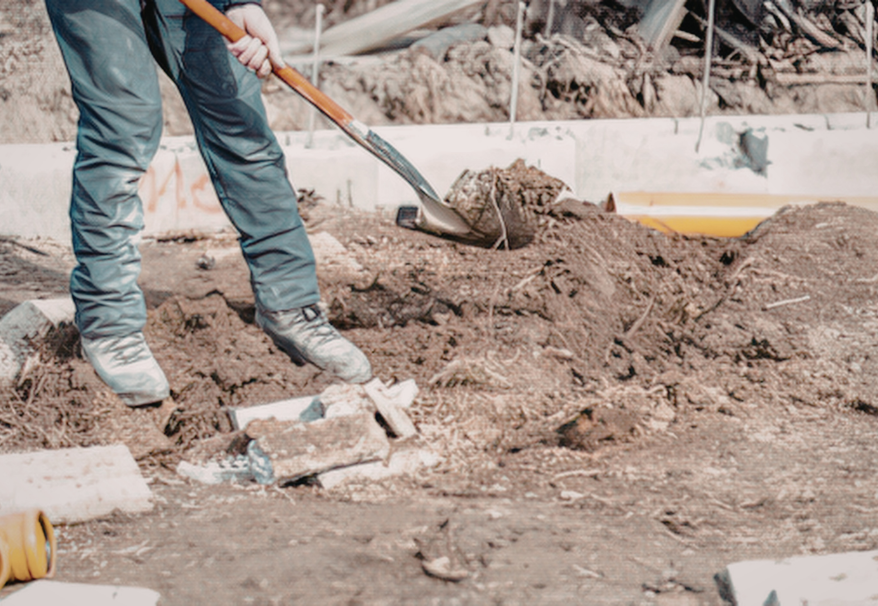
Groundworks set the conditions for everything that follows on a construction site. Before foundations, roads, utilities, drainage systems, or external works can be completed, the site needs to be prepared correctly and with the local conditions in mind.
For developers working in Scotland, that preparation often comes with additional considerations. Ground conditions can vary significantly between locations, rainfall can affect programme planning and drainage design, and projects may need to account for Scottish building standards, local authority requirements, Scottish Water infrastructure, and environmental responsibilities.
Understanding how groundworks Scotland projects are planned can help developers identify potential constraints early and avoid costly changes once work is underway. MAM Contracting provides groundworks construction services across Scotland, supporting projects that require site preparation, drainage, foundations, roadworks, and other early-stage construction work. This guide covers some of the main areas Scottish developers should consider before groundworks begin.
1. Start With the Site (Not The Programme)
A construction programme may establish when work needs to begin, but the condition of the site determines what must happen first. Developers need a clear understanding of the existing ground before excavation, drainage, or foundation works are finalised. Conditions discovered after mobilisation can affect plant requirements, material quantities, drainage routes, and the time needed to prepare a stable working platform. A good site assessment should consider the physical condition of the land as well as the proposed development.
2. Ground Conditions Can Change Across the Same Site
Soil conditions are rarely uniform across an entire development. One area may provide suitable bearing conditions while another contains softer ground, made ground, clay, peat, rock, or high groundwater levels. These variations can influence:
- Excavation depths and methods
- Foundation requirements
- Temporary and permanent drainage
- Material removal or replacement
- Ground stabilisation requirements
Developers should avoid assuming that conditions identified in one section of the site apply everywhere else. Early ground investigation allows the groundwork strategy to respond to the actual conditions encountered and can reduce uncertainty once construction begins.
3. Existing Features Need to Be Identified Early
Previous development, buried services, field drains, culverts, retaining structures, and existing drainage routes can all affect proposed works. Scottish building standards include requirements relating to existing drains, including circumstances where active drains may need to be re-routed or reconstructed if development would otherwise interfere with them. Locating these features during the planning stage makes it easier to coordinate excavation and infrastructure works without unnecessary disruption.
4. Scottish Site Preparation Requirements
There is no single groundwork specification that applies to every development. Scottish site preparation requirements depend on the site, intended use, design, planning conditions, building standards, and any requirements associated with water, drainage, or environmental protection. For developers, site preparation normally involves much more than clearing the land.
It may include stripping topsoil, establishing levels, creating haul roads, managing temporary drainage, excavating unsuitable material, installing utilities, and preparing areas for foundations and permanent infrastructure. MAM's guide to new build groundworks also highlights site preparation, foundation systems, and drainage as core elements of the groundwork stage.
5. Site Levels Need to Work with the Wider Development
Finished levels influence drainage, road construction, access, foundations, landscaping, and connections between different areas of the site. Incorrect levels can create problems that become increasingly difficult to correct as construction progresses. Water may collect in unwanted areas, drainage pipes may lack the required fall, and roads or building platforms may need further excavation or filling. This is why levels should be coordinated with drainage and infrastructure design before major earthworks begin.
6. Drainage Should Be Planned Alongside Groundworks
Drainage is closely connected to almost every part of site preparation. Excavation changes natural water routes. Hard surfaces increase runoff. Foundations and retaining structures can affect groundwater movement. New roads and building platforms change where rainfall collects. Treating drainage as a later-stage installation can therefore create unnecessary constraints. Our guide to how proper drainage enhances construction projects explores the relationship between drainage, flooding, ground stability, and construction performance in more detail.
7. Surface Water Requires Early Consideration
Scottish building standards require buildings to have suitable means of removing rainwater from roofs and other areas where water may accumulate without damaging the building or creating risks around it. For developers, the wider issue extends beyond the building itself. Roads, parking areas, access routes, landscaped areas, and hardstanding can all contribute additional runoff. The development therefore needs a coordinated approach to managing surface water across the whole site. Depending on the project, this may involve drainage pipes, gullies, channels, swales, attenuation, permeable areas, or other Sustainable Drainage System measures.
8. SuDS May Form Part of the Development Strategy
Sustainable Drainage Systems are an established part of development planning in Scotland. SEPA guidance indicates that SuDS requirements can apply to new development, subject to specific exemptions and the characteristics of the proposal. For developers, the practical point is straightforward: surface water management needs to be considered early enough to influence site layout. Leaving attenuation areas, swales, drainage corridors, or discharge arrangements until the design is largely fixed can limit the available options.
9. Construction Regulations Scotland Developers Should Consider
The phrase construction regulations Scotland covers several different areas rather than one single set of groundwork rules. The exact requirements depend on the nature of the development and can involve building standards, planning conditions, drainage approvals, environmental regulation, health and safety obligations, and requirements associated with existing infrastructure. Scottish building standards are supported by technical handbooks that provide guidance on meeting the Building (Scotland) Regulations 2004.
10. Building Standards Can Affect Early Groundworks
Requirements relating to flooding, groundwater, moisture, existing drains, surface water, and wastewater can influence groundwork design before above-ground construction begins. This is particularly relevant where projects involve new drainage networks, foundation excavation, changes in site levels, or development close to existing drainage infrastructure. Developers should therefore confirm the applicable requirements for the specific project rather than relying on specifications used on previous sites.
Choosing A Local Groundwork Contractor
Selecting a local groundwork contractor should involve more than comparing headline prices. Groundworks sit beneath most of the completed development, making problems difficult and disruptive to correct later. Developers should consider whether the contractor understands the type of site, project scale, required drainage systems, and wider construction programme. Useful areas to assess include:
- Experience with comparable developments
- Drainage and earthworks capability
- Appropriate plant and equipment
- Understanding of Scottish site conditions
- Ability to coordinate with other contractors
- Approach to programme changes and unexpected ground conditions
Our essential guide to groundworks construction in Scotland covers the wider range of services that can form part of a coordinated groundwork package, including site preparation, foundations, drainage, roadworks, and external works.
Why Early Coordination Matters for Developers
Groundworks connect with almost every discipline that follows. Foundation locations affect drainage routes. Utility trenches interact with roads. Roads influence surface water. Finished levels affect landscaping and access. When these elements are planned separately, clashes tend to appear on site rather than on drawings. Early coordination gives designers and contractors an opportunity to resolve these conflicts before excavation begins.
Our posts how proper groundworks can save housing developers time and money also highlights the value of identifying poor soil, hidden utilities, and drainage issues before later construction phases are affected.
Preparing A Scottish Development for Groundworks
Developers do not need every detail resolved before speaking with a groundwork contractor, but the more reliable information available, the easier it becomes to plan the works accurately. Before mobilisation, the project team should have a clear understanding of the proposed levels, site access, known utilities, drainage strategy, foundation requirements, ground investigation findings, and relevant approvals. Where information remains uncertain, those areas should be identified rather than assumed. This creates a clearer basis for programme planning, quotations, plant selection, and coordination with other trades.
Planning Groundworks with The Wider Development in Mind
Successful groundworks Scotland projects depend on more than excavation and foundation preparation. Site conditions, drainage, access, infrastructure, regulations, weather, and construction sequencing all influence how the work should be approached. Scottish developers can reduce unnecessary risk by investigating ground conditions early, coordinating drainage with site levels, identifying existing infrastructure, and confirming the requirements that apply to the individual development.
MAM Contracting delivers groundwork services Scotland projects across a range of sectors, including new build developments and wider civil engineering works. For developers preparing a project and looking for practical groundwork support, contact MAM Contracting to discuss the site requirements and proposed scope of works.