
- Telephone | 01764 654703
- Email | mam@mamcontracting.co.uk
Seasonal Drainage Maintenance Tips (Prevent Flooding & Damage)
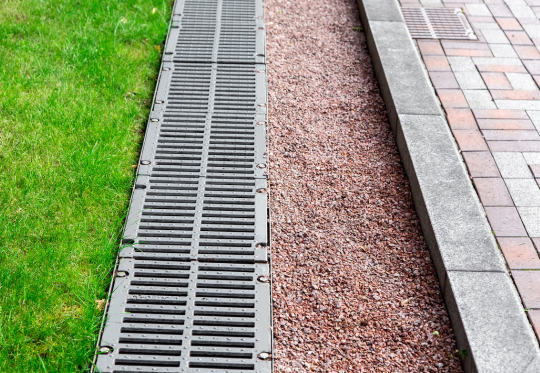
Drainage systems work throughout the year to move rainwater, wastewater, and surface runoff away from properties and developed areas. When drains are clear and functioning properly, most of that work happens unnoticed. Problems tend to become obvious when water begins pooling, gullies overflow, or a blocked pipe can no longer cope during heavy rainfall. Regular maintenance can reduce the risk of these issues developing.
For property owners, landowners, developers, and facilities managers, following practical drainage maintenance tips UK throughout the year can help identify problems before they lead to flooding or damage. Seasonal changes also place different pressures on drainage infrastructure. Autumn leaves can block gullies, winter conditions can expose damaged pipework, and prolonged rainfall can reveal weaknesses that may not be visible during drier months.
This guide explains the drainage checks worth carrying out during each season, the early signs of potential problems, and when further inspection may be needed.
Why Seasonal Drainage Maintenance Matters
Drainage systems are designed to carry water safely away from buildings, roads, driveways, yards, and other external areas. Over time, sediment, leaves, vegetation, grease, debris, and damaged pipework can restrict that flow. Even a partial blockage can reduce the amount of water a system can handle. During heavy rainfall, restricted drains may begin backing up or overflowing because water is entering the system faster than it can leave.
Routine maintenance gives property owners an opportunity to identify problems while they are still manageable. It can also help protect surrounding ground, foundations, hard surfaces, and landscaped areas from unnecessary water exposure. Our guide to how proper drainage enhances construction projects explains how effective water management helps reduce flooding, erosion, and problems with site stability.
Spring Drainage Checks After Winter
Spring is a useful time to inspect drainage systems after the colder and wetter months. Winter weather can move debris into gullies, expose damaged surfaces, and increase the amount of sediment entering drainage routes. A visual inspection around the property can often reveal early signs of trouble.
Check Gullies and Drain Covers
Leaves, soil, litter, and other debris can collect around drainage covers and gullies during winter. Removing visible material allows water to enter the drainage system without unnecessary obstruction. Look for standing water around gullies after rainfall. Water that remains for an extended period may indicate a blockage further along the system or a problem with the drainage route. Drain covers should also be checked for movement, cracks, or damage that could create a safety risk or allow additional debris to enter.
Look For Signs of Winter Damage
Cold conditions can expose existing weaknesses in external drainage infrastructure. Cracked channels, displaced covers, damaged pipework, and eroded areas around outlets may become easier to identify once winter has passed. Spring maintenance should also include a check around areas where surface water regularly collects. Persistent wet ground or new pooling may indicate that the system is no longer performing as expected. Early attention to these issues can prevent them from becoming more disruptive during periods of heavier rainfall.
Summer Drainage Maintenance
Drainage maintenance is often overlooked during dry weather because flooding feels less immediate. Summer can, however, provide a good opportunity to inspect, clean, and maintain systems before wetter conditions return. Drier ground can also make access easier for some inspection and maintenance work.
Clear Vegetation Around Drainage Routes
Vegetation can gradually spread across open channels, ditches, outlets, and drainage features. Excessive growth can restrict water movement and make it harder to spot damage. Roots may also affect underground drainage systems in some locations, particularly where older pipes or existing defects provide an entry point. Vegetation around drainage infrastructure should be controlled without damaging the system itself. Open channels and outlets need a clear route so water can continue moving as intended.
Use Dry Weather for Inspection
Periods of lower rainfall can make it easier to investigate drainage systems that have shown signs of poor performance. If a drain has repeatedly backed up, produced unpleasant smells, or drained slowly during previous months, waiting for the next major rainfall event is unlikely to improve the situation. A professional inspection can help identify blockages, damaged pipework, or other defects that are not visible from ground level. MAM Contracting's drainage contractors work with both residential and commercial drainage systems, including underground drainage installation and maintenance requirements.
Autumn Drainage Maintenance Before Heavy Rain
Autumn is one of the most important periods for seasonal drainage checks. Falling leaves, increased rainfall, and wind-blown debris can place additional pressure on external drainage systems within a short period. A drain that performs adequately during summer may struggle once large amounts of organic material begin collecting around gullies and channels.
Watch How Water Behaves During Rain
Rainfall provides an opportunity to see the drainage system working under pressure. Pay attention to areas where water moves slowly, collects unexpectedly, or begins flowing in a different direction. Water passing over a drain rather than entering it can indicate that the grate is blocked or that the system beneath it is already full. Changes in water movement can also result from alterations elsewhere on the property.
New paving, landscaping, extensions, and other hard surfaces can change how much runoff reaches the drainage system. Our guide to surface water and foul water drainage explains how rainwater should be managed separately from wastewater and why correct drainage routes matter.
Winter Drainage Tips Scotland Property Owners Should Consider
Winter can place significant pressure on drainage infrastructure, particularly during extended periods of rain. Saturated ground reduces natural infiltration, while existing debris can restrict drainage capacity when it is needed most. For anyone looking for practical winter drainage tips Scotland, preparation before severe weather tends to be more effective than waiting until water begins overflowing.
Check Known Problem Areas Before Bad Weather
If certain parts of a property have flooded or collected standing water in the past, these areas deserve additional attention before periods of heavy rain. Check that nearby gullies and channels are clear and that outlets are not obstructed. Where water passes through open ditches or channels, look for collapsed edges, vegetation, sediment, or debris that could restrict flow. Previous drainage problems can also provide useful clues about where maintenance is most important.
Blocked Drain Prevention UK: Common Warning Signs
Drain blockages often develop gradually. Recognising the early warning signs can make maintenance less disruptive and reduce the risk of a complete blockage. Common signs include:
- Water draining more slowly than usual
- Gullies remaining full after rainfall
- Unpleasant smells around drains
- Gurgling sounds from pipework
- Water backing up through another outlet
- Repeated pooling around the same area
- Overflowing chambers or external drains
A recurring problem should not be treated as a routine blockage without further investigation. If the same drain needs frequent clearing, there may be an underlying defect, poor pipe alignment, root ingress, or another issue affecting performance. For wider construction sites, drainage can also be affected by poor initial planning. Our guide to common groundwork problems and how to avoid them covers drainage, soil conditions, levels, access, and other early-stage issues that can affect a site later.
Maintenance For Surface Water and Foul Water Systems
Not every drainage system should be maintained in the same way. Surface water systems primarily manage rainfall from roofs, external surfaces, roads, and surrounding land. These systems are particularly vulnerable to leaves, sediment, soil, and other external debris.
Foul water systems carry wastewater from toilets, sinks, showers, washing machines, and other internal sources. Problems within foul drainage require additional care because wastewater can create hygiene and contamination concerns. Understanding which system is affected can help determine the appropriate response. Connections between the wrong systems can also create wider drainage and environmental problems, so suspected cross-connections should be assessed professionally.
Keeping Drainage Working Throughout The Year
Seasonal drainage maintenance is primarily about recognising small changes before they become larger problems. Clear gullies, functioning channels, unobstructed outlets, and properly maintained pipework all contribute to more reliable water management. Following practical drainage maintenance tips UK throughout the year can reduce avoidable blockages and make it easier to identify damaged or underperforming drainage infrastructure.
Weather, site conditions, and drainage requirements vary from one property to another, so maintenance should reflect how the individual site behaves. MAM Contracting provides drainage support across residential, commercial, and wider construction projects, with experience in both drainage installation and ongoing system requirements.
If recurring drainage problems are beginning to affect a property or site, MAM Contracting's drainage team can help assess the system and determine what may be causing the issue.